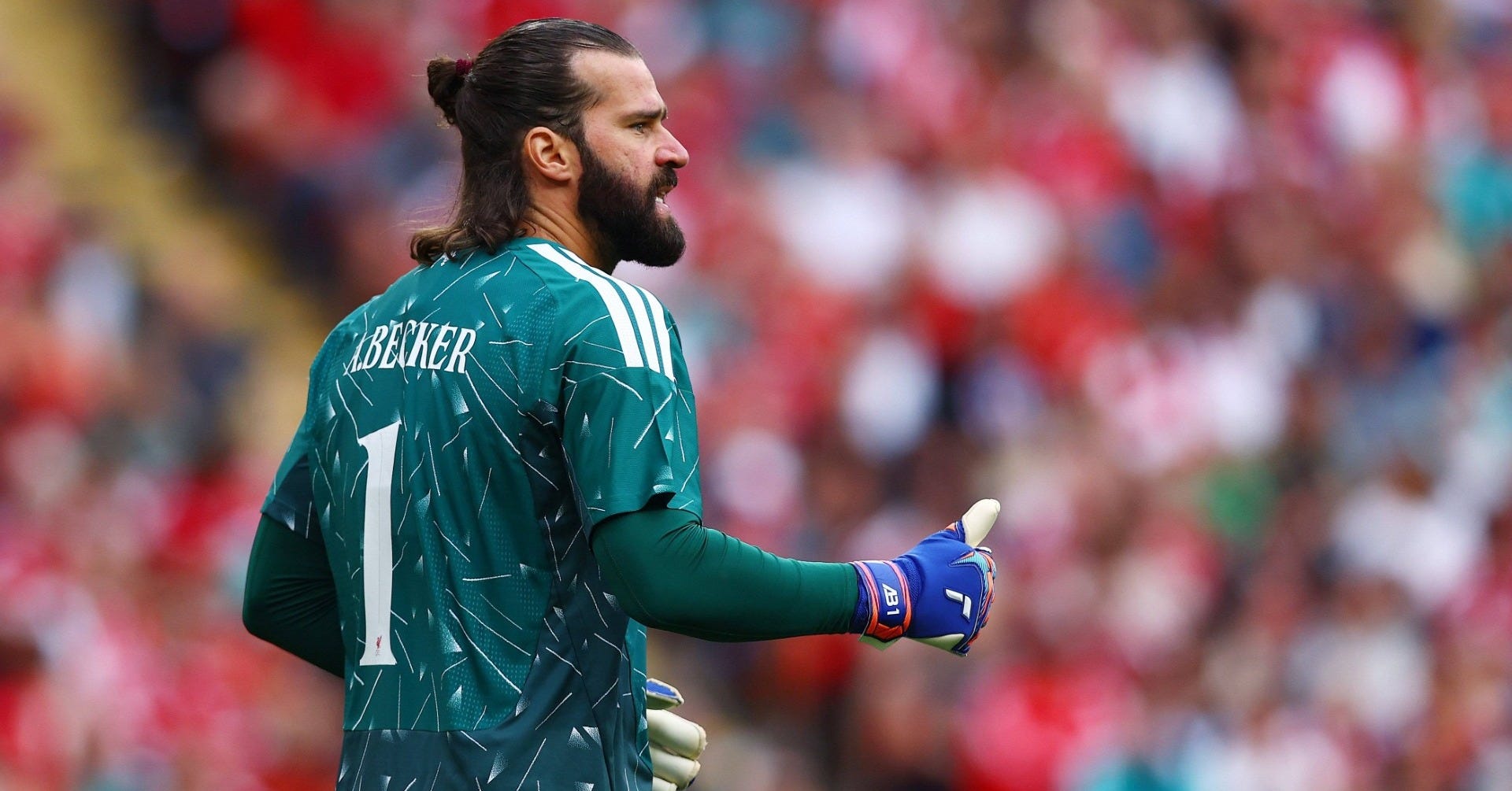
Liverpool have done the sensible thing in keeping Alisson Becker. But sensible and sorted are two very different things. The circumstances that turned a straightforward transition into a genuine summer headache remain very much unresolved, and the club will have to face them properly sooner or later.
Heading into this summer, Alisson's future at Anfield was far murkier than most supporters probably realised. Liverpool had triggered a one-year extension clause back in March, pushing his contract through to 2027, but that was a business move first and a vote of confidence second. It kept his value intact. It did not signal any firm intention to keep him. Juventus recognised that gap and began planning accordingly, and crucially, Alisson himself was understood to be at least open to hearing what they had to offer. The mood around the situation was shifting, quietly, but noticeably. The feeling grew that if the offer was right and the player pushed, Liverpool would let him go.
There was a logic to that, too. Alisson turns 33 this year and has not managed 30 Premier League appearances in any of the last three seasons due to injuries. The Reds have taken their share of criticism for letting players run down contracts and walk for nothing, and the uncomfortable truth is that the only way around that is to make sales that sting a little. Cashing in on a goalkeeper of Alisson's standing, for a reasonable fee, would have hurt, but it would not have been indefensible.
What shifted the thinking was not anything to do with Alisson himself. It was what was happening around him. Liverpool lost two significant dressing room presences before the summer had properly begun, with Mohamed Salah and Ibrahima Konate both departing. Salah's exit was widely anticipated. Konate's was not, and it quietly removed a substantial amount of experience from the defensive unit at a stroke.
The club clearly has enormous belief in Jeremy Jacquet and Giovanni Leoni, that much is apparent internally, but these are players taking their first steps at Anfield. They are going to need guidance, steadiness, and the kind of calm authority that only comes from having someone experienced behind them on the pitch. Losing Konate and Alisson in the same window, with that context in mind, simply could not be justified. The cumulative effect of those departures would have been too destabilising.
The other factor sitting at the heart of this decision is Giorgi Mamardashvili. Liverpool signed him with obvious excitement, yet after a year at the club, the Georgian has done little to demonstrate that he is ready to step into the number one role right now. His shot-stopping at Valencia was exceptional, that was never really in question. But the issues with his distribution, with the ball at his feet, have followed him from La Liga to Merseyside. Crucially, it is now apparent that those failings cannot simply be attributed to instructions from a previous manager to go long. This is a genuine technical challenge.
That raises a question Liverpool have not publicly answered. Did they sign Mamardashvili believing those problems could be coached out of him on the training ground? Or did they have a broader stylistic shift in mind, one where his distribution under pressure would matter less? Either way, a year in, neither answer looks particularly convincing right now.
Alisson staying buys time. It steadies a squad that has absorbed a lot of change in a short period and ensures there is genuine quality and leadership between the sticks heading into the new season. But the succession question is still there, and Mamardashvili is still waiting to prove that Liverpool's faith in him was warranted. That reckoning is coming.
Inspired by reporting from David Lynch, David Lynch LFC.
Read the original report →Kop Insider always credits original journalism. We report independently — facts inform us, words are our own.