
The standard-bearer gets the scrutiny
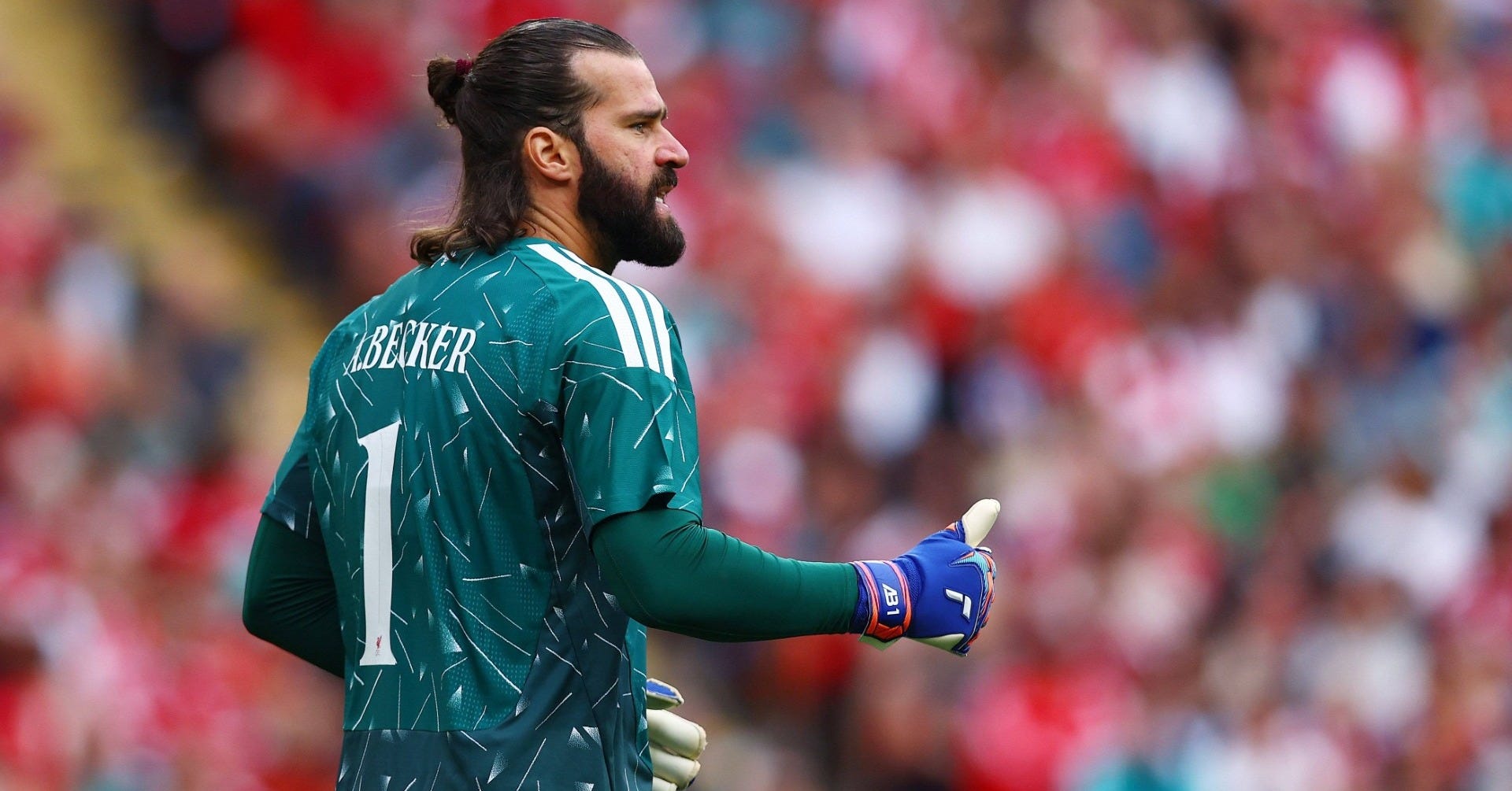
There's a particular kind of criticism that only the very best attract. Not the cheap shots aimed at fringe players, not the pile-ons reserved for those already struggling, but the forensic, expectation-driven dissection that comes precisely because you've set the bar so high that any dip below it feels significant. That, according to Ruud Gullit, is exactly what Virgil van Dijk has been dealing with.
The Dutch legend, speaking to NY Sports Day, was characteristically direct about why he has been harder on his compatriot than most analysts. "I've been more critical of Virgil than most analysts, not out of malice, but precisely because he is the standard-bearer," Gullit said. "You don't waste critical energy on fringe players; you hold elite players accountable to maintain their level." Nine trophy-laden seasons at Anfield, an established reputation as one of world football's elite defenders, and an ever-present Premier League campaign last season, this is the context in which Gullit's criticism lands. It's not a takedown. It's accountability dressed up as a compliment.
Gullit was also candid about the specific concerns that triggered his comments, pointing to Van Dijk's performances on international duty as the source of his unease. "Errors slipped in, getting caught under headers or allowing sharp goalscorers space inside the box," he noted. For a centre-back of Van Dijk's calibre, those are not minor quibbles. They are precisely the details that separate elite from exceptional.
What Gullit actually believes about Van Dijk's value
Strip away the criticism and what you find underneath is genuine faith. Gullit was clear that he sees Van Dijk as a hugely important figure for Liverpool this season, not a passenger being managed towards the exit, but a leader whose experience becomes even more valuable as younger centre-backs arrive around him. "If Virgil is in peak condition, his experience makes him an incredible asset," he said, adding that "a fully fit Van Dijk transforms that entire defence."
That framing matters. Liverpool have already begun the process of building for the future at the back, with the arrivals of Jeremy Jacquet and Giovanni Leoni signalling the direction of travel. Van Dijk, now 35, is not the long-term answer, everyone understands that. But Gullit's point is that understanding your future direction and undervaluing your present leader are two very different things. The captain's role this season may be as much about mentoring as it is about marshalling, and that is a job only someone with his stature can do properly.
Gullit also offered a broader observation on the culture around elite players and scrutiny, one that felt pointed without being preachy. "Modern players can be overly sensitive to criticism, but top-level football brings intense scrutiny," he said. "When you are the biggest tree, you catch the most wind." It's a sharp line, and it applies as much to how Van Dijk processes criticism as it does to why that criticism exists in the first place.
Gakpo's case for consistent faith
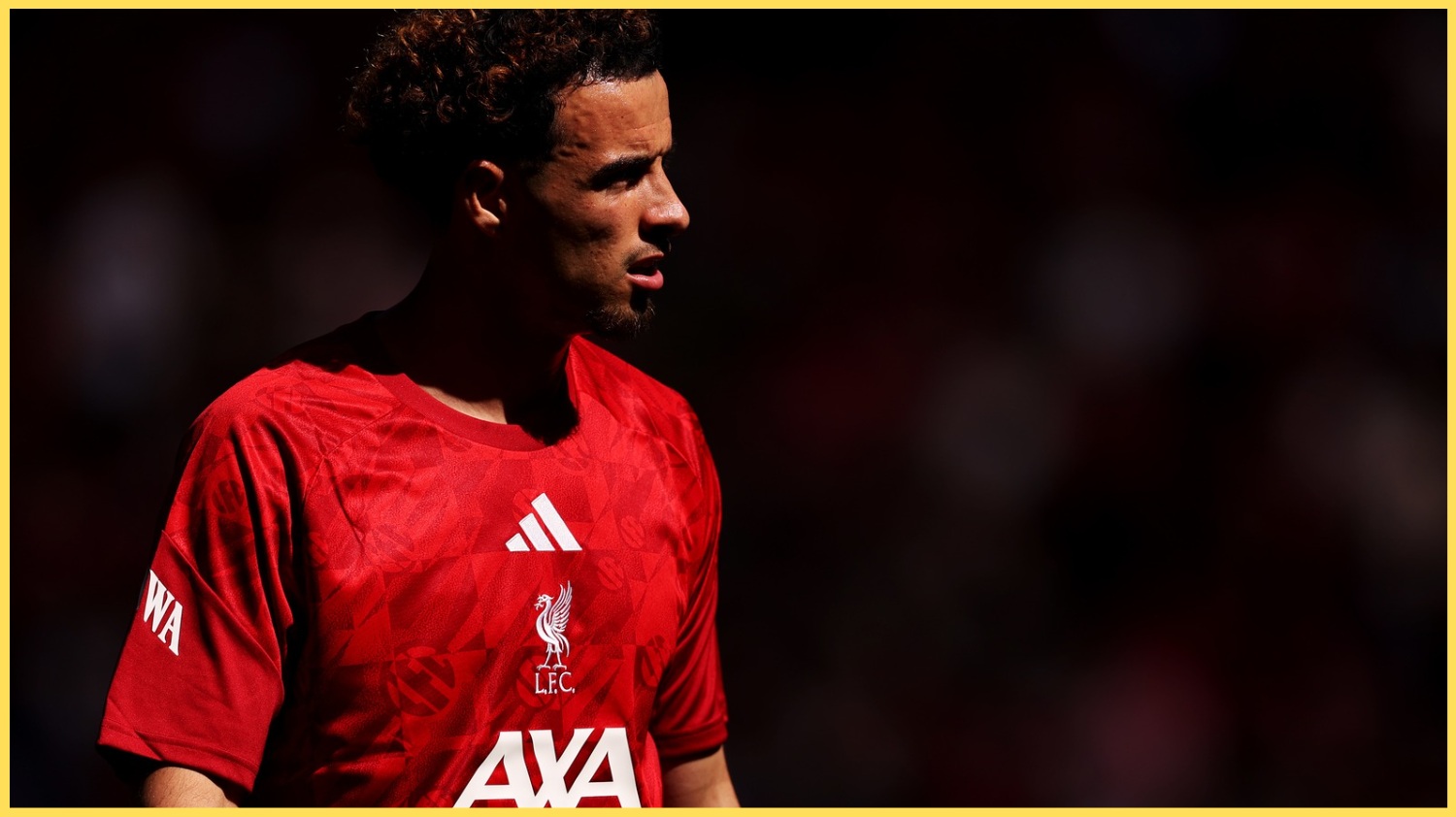
Gullit didn't stop at Van Dijk. He also weighed in on fellow Dutchman Cody Gakpo, whose place in the side looks increasingly competitive following the arrival of Victor Munoz from Osasuna, the ongoing pursuit of Paris Saint-Germain's Bradley Barcola, and the emergence of Rio Ngumoha. Gullit's diagnosis of Gakpo's situation was concise and convincing: the problem has never been ability, it's been rhythm.
"His main issue has been consistency of minutes, in one week, out the next," Gullit said. "I still rate him highly; during their title-winning campaign, he was superb." The point Gullit is making is that Gakpo is the kind of attacker who needs a manager willing to show complete faith in him, to give him the freedom to make mistakes without an immediate benching. When that confidence is there, the performances follow. Whether the new manager at Anfield, Andoni Iraola, is willing to offer that remains one of the more intriguing questions of the season ahead.
Inspired by reporting from Richard Garnett, Liverpool Echo.
Read the original report →Kop Insider always credits original journalism. We report independently — facts inform us, words are our own.