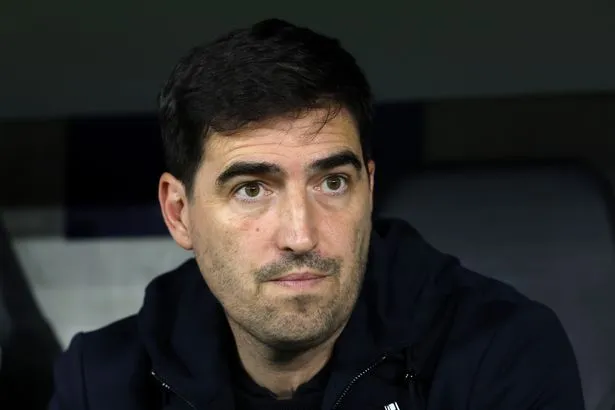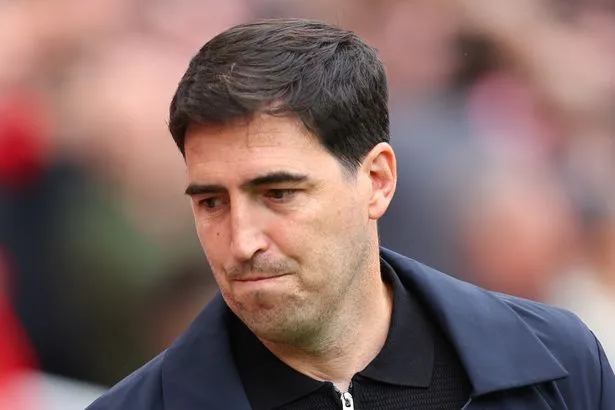
Two matches into the new Premier League campaign and Liverpool have already been reminded of something they never quite solved last season. Dominant possession. Dropped points. Goals given away on the counter. It's not a new story, but it's one Andoni Iraola is going to have to rewrite in a hurry.
The Reds held 61% of the ball at Newcastle United on the opening weekend and came away with a 2-2 draw. They pushed that figure to 69% at home to Nottingham Forest on Saturday and got precisely the same result. Both Newcastle goals came through counter-attacks. Forest's first arrived via a direct long ball down the middle, their second from a quickly-taken throw that led to a penalty. On each occasion, Liverpool had control of the match right up until the moment they didn't, and they were too slow to respond when possession was broken.
This isn't a blip, it's a pattern that deepened all through last term. Only Manchester City averaged more possession than Liverpool's 59.3% across the campaign, yet the Reds scored 14 fewer goals than City and conceded their highest total in any 38-match Premier League season. For a team that dominated the ball as much as they did, the returns were painfully lean.
For some useful context, Iraola's Bournemouth side averaged just 50.1% possession last season and finished only three points and one place behind Liverpool. That's a brutal statistic. It points to a team that got far more from far less, and it's almost certainly part of why he was brought to Anfield in the first place.
Manchester United's win on Sunday added another layer to the conversation. United became the 15th team to win in 19 Premier League matches this season, and they did it while having more possession than Liverpool. Across the whole campaign so far, only five of those 19 wins have come from the side with greater possession, two were Manchester City, one Arsenal, one Brighton against a ten-man Aston Villa. The message from the rest of the division is increasingly clear: give Liverpool the ball and frustrate them on the break.
Chelsea illustrated the other extreme perfectly. They won with just 26% of the ball at home to Brighton on Sunday, apparently their lowest possession figure in a Premier League home match since records began, and still put 17 shots on goal and won 4-3. It's a different philosophy entirely, and while nobody is suggesting Liverpool should adopt it, it does highlight that controlling possession and controlling a match are not always the same thing. The art is in making that time on the ball count, and right now Liverpool aren't doing that consistently enough.
To his credit, the new head coach appears to already understand the problem. The source of these dropped points isn't hard to diagnose, it's the moment possession is lost and the team is caught too high or too slow to deal with the transition. Iraola built his Bournemouth side around exactly this kind of defensive organisation and counter-press intensity, which makes him a logical choice to address it.
The Premier League season is still in its infancy, and drawing conclusions from two matches is never wise. But the same vulnerability that cost Liverpool last season was on show again in both opening fixtures, and the rest of the division has clearly taken note. How quickly Iraola can adjust, adapt, and put his own stamp on how this team defends without the ball will tell us a great deal about where this campaign is actually heading.
Inspired by reporting from Ian Doyle, Liverpool Echo.
Read the original report →Kop Insider always credits original journalism. We report independently. Facts inform us, words are our own.
This report was written automatically from the journalism credited above. Andy Anfield is Kop Insider’s automated reporter, not a member of staff.