A performance that felt uncomfortably familiar
There is a particular kind of dread that settles over Anfield when Liverpool are playing slowly, losing the ball in their own half, and struggling to connect with their most expensive attackers. Supporters felt it plenty last season. They felt it again on Saturday against a Fulham side that had not taken a single point before making the trip to Merseyside.
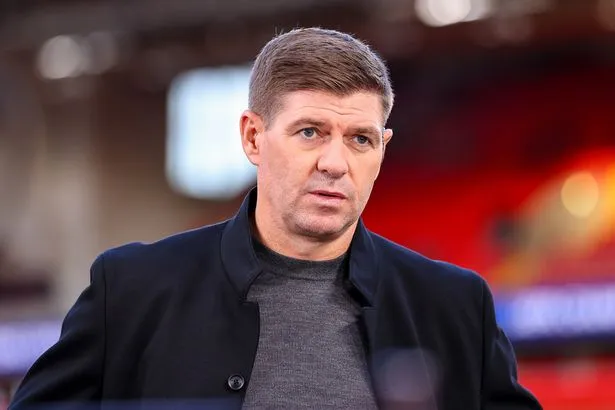
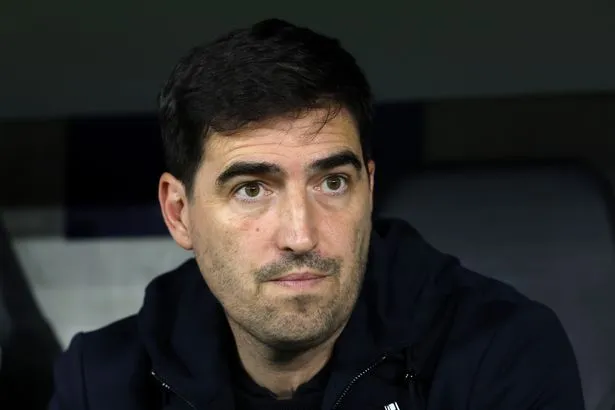
The occasion carried its own subplot, a first managerial meeting between two former Spanish right-backs, with Alvaro Arbeloa's Fulham visiting the ground where he once played. But the real story unfolded on the pitch, where Liverpool delivered a performance all too reminiscent of the dour Anfield afternoons that had supporters checking their watches before the hour mark. The boos that would have greeted last season's version of this showing were mostly held back, replaced instead by vocal dissent that, at times, grew genuinely ugly. The goodwill built up in four games under the new manager absorbed the blow, but it could not disguise what was clearly a bad day.
The numbers tell a grim story
Liverpool managed just 129 of their 253 first-half passes in Fulham's defensive half. Their passing accuracy for those opening 45 minutes sat at 81.4%, the lowest recorded in a single half this season, and that figure dropped to a startling 61.0% in the final third, meaning attacks were being strangled before they could breathe. The Reds also surrendered possession in their own half 15 times in that first half alone, a number that reflects not just carelessness but a ponderous, hesitant approach to building out from the back.
Kostas Tsimikas struggled badly down his side and completed fewer than two-thirds of his passes before being withdrawn at the interval. But the most alarming moment came when a blunder from Alisson almost gifted Fulham a lead, only a goal-line clearance from Jeremy Jacquet sparing his blushes. The manager identified arriving too late to press as the core problem in the first half, and the data bears that out. Liverpool were not being overrun, they were simply making life unnecessarily difficult for themselves.
The isolation of Liverpool's front two is a real concern
Florian Wirtz was the only member of Liverpool's attack to exchange more than three passes with Alexander Isak across the entire match, two in each direction. For a striker who cost £125m, managing just four touches in the opening 45 minutes is extraordinary in the worst possible way. Isak showed intent when the ball did reach him, attempting three shots from his three touches inside the box and creating a moment of quality when he cut inside and forced a low effort through a defender's legs. The quality is not in question. The supply chain absolutely is.
Bradley Barcola was similarly peripheral, with Wirtz the only member of the attack to pass to the £123m signing on more than two occasions. That Liverpool's two most expensive arrivals are operating in near-isolation from one another is a tactical problem that will need addressing quickly. The good news is that the manager was candid about it after the match, acknowledging his side were "clearly not as good offensively" as their performances this season had suggested they should be. Honesty, at least, is not in short supply.
The one moment of genuine brightness
If there was a single positive to carry into the week, it was Jacquet. The goal-line clearance that preserved the clean sheet was instinctive and vital, and it came at a moment when the match could have tilted sharply in Fulham's favour. A point, ultimately, is better than nothing, and keeping a clean sheet against a side that had looked lively going forward was no small achievement, even if the manner of it was more relief than control.
The manager was right that the second half showed improvement. Liverpool were better structured, created their clearest chances from set pieces, and at least looked like a team with a plan. The green shoots are still there. But Saturday was a reminder that the weeds from last season have not been entirely pulled up yet, and the next home fixture will tell us a great deal about whether this was a blip or something that runs deeper.
Inspired by reporting from Morgan King, Liverpool Echo.
Read the original report →Kop Insider always credits original journalism. We report independently. Facts inform us, words are our own.
This report was written automatically from the journalism credited above. Andy Anfield is Kop Insider’s automated reporter, not a member of staff.